Tokyo is a vibrant and exciting city. It’s large, it’s bustling and a very concentrated place.
Like many cities, there’s a veneer and then there’s reality.
The stereotypical “salaryman”, a lifer, dressed in a suit, rain, shine, humid or cold, is one view. Behind each is a story; a human with aspirations, fears, success and of course failure.
Maybe Japan is a traditional society, maybe it’s dominated by large successful industries but like all it has an undercurrent of “rebellion”, a desire to breakout, a desire to be excessively individual, to break from the pack if only momentarily before succumbing to the inevitable arc of life in a western democracy.
Harajuku has long been a weekend “gathering” point for those intoxicated with a desire to express. Sometimes very thematic, never really leaving a handful of prescribed swim lanes.
Shinjuku and Shibuya as rail termini, offer a concentration of people destined for work, shopping or whatever and my last spot, Meiji Shrine offers opportunities to witness a more traditional side of Japanese culture.
I’ve lost count of my visits to Tokyo, the simple summary is lots.
Sometimes armed with a more classic SLR camera but most of the visits coincided with the inflection from analog to digital. Once I took a Minox, loaded with Ilford B&W. once two Contax G2 rangefinders each representing a last gasp clutch to analog. I even considered dragging my Rollei 6×6 but that was definitely over the top.
In 2001, digital cameras are so nascent as a consumer products but on a change trajectory that was head spinning. Hard to ignore and compelling to try.
While for many, April in Tokyo is cherry blossom time, for me and armed with a new and so state of the art 3.3 megapixel Canon G1, I’m trying to capture street life.
Tokyo was unique, maybe still is, in that people actually want you to snap them and even if not seeking it out, won’t reprimand you for snapping.
Subject aside, each of these, while digital, look more akin to analog snaps than modern day ultra cleansed Iphone snaps.
Upon reflection, 3.3 megapixels, laughable by today’s standards “captured” good enough memories for me.

Just outside the shrine gates on Jingūbashi, centuries of quiet formality vanish. Dramatic eye paint, sharp piercings, and tailored black embody the raw edge of early-2000s Visual Kei.
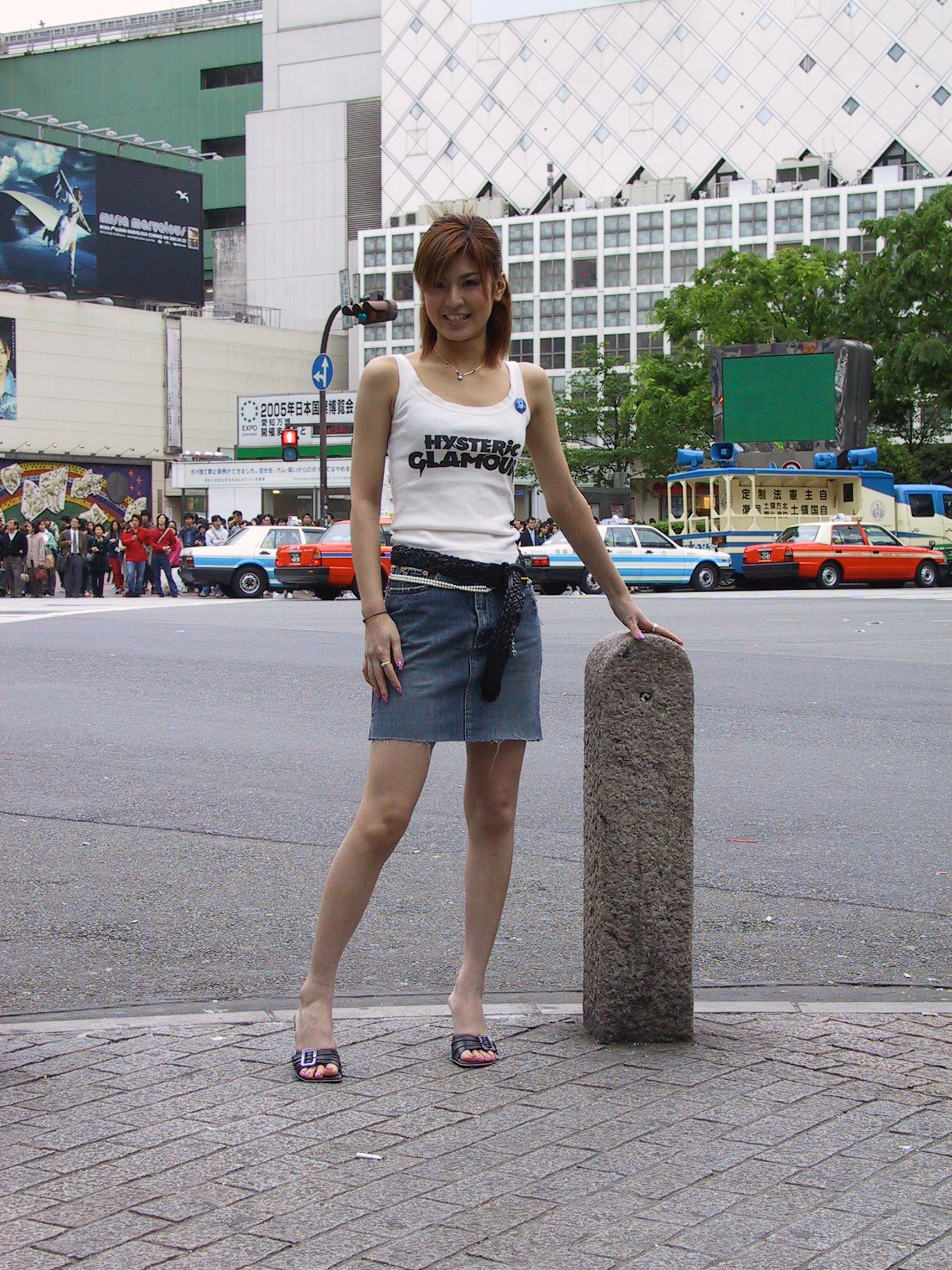
Right outside Shinjuku Station, a masterclass in early-2000s street chic. Sporting a coveted Hysteric Glamour tank, layered belts, and purple buckle accents matching her pedicure, she leans against a bollard and instantly commands the frame.
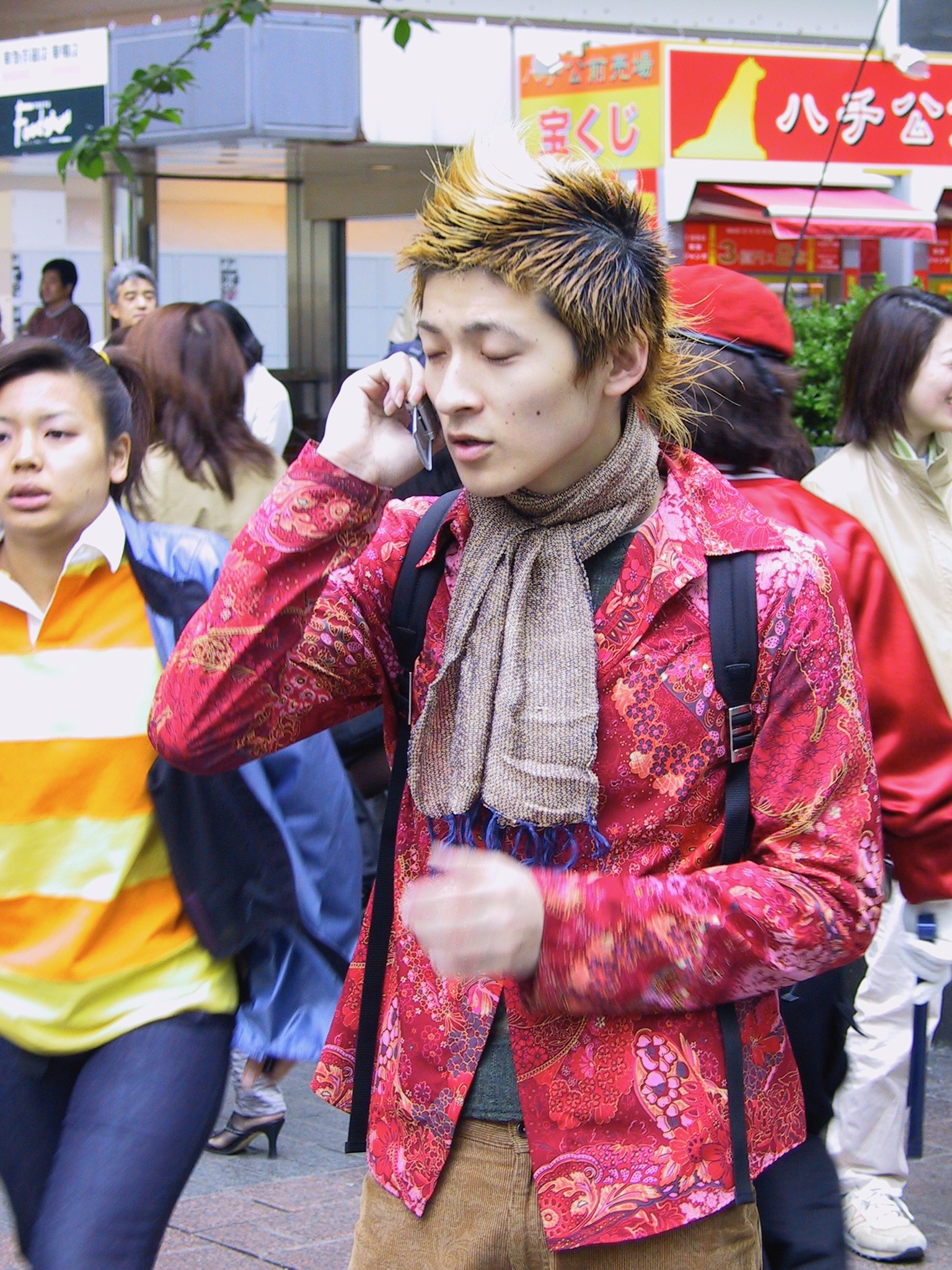
Frosted spikes, paisley print, and a woven scarf—a flash of kinetic style navigating the crush outside Hachiko.
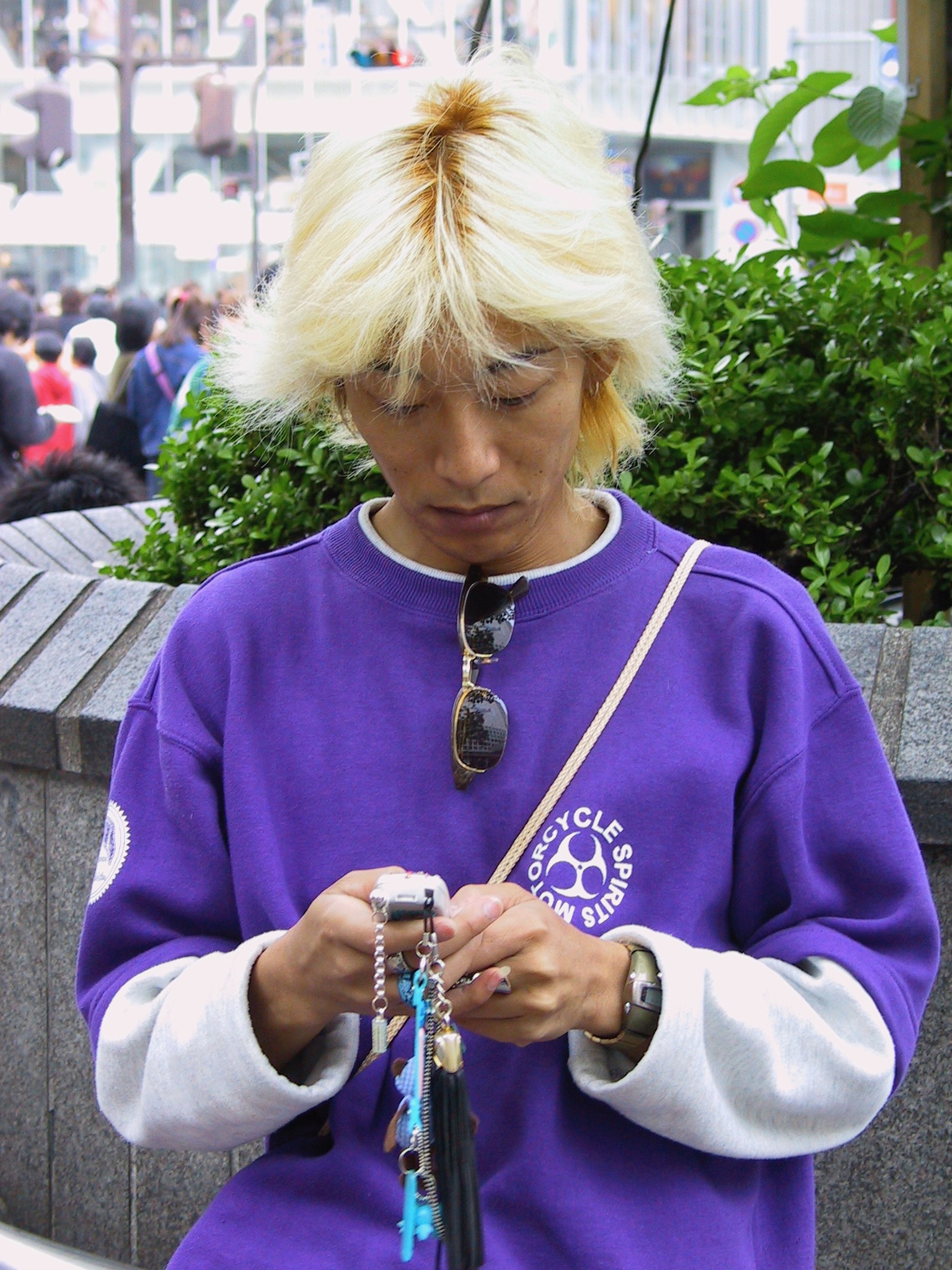
Long before smartphones took over the Western world, Tokyo was already living in the future. Heads down, thumbs flying across a multi-charm flip phone via NTT DoCoMo’s mobile web
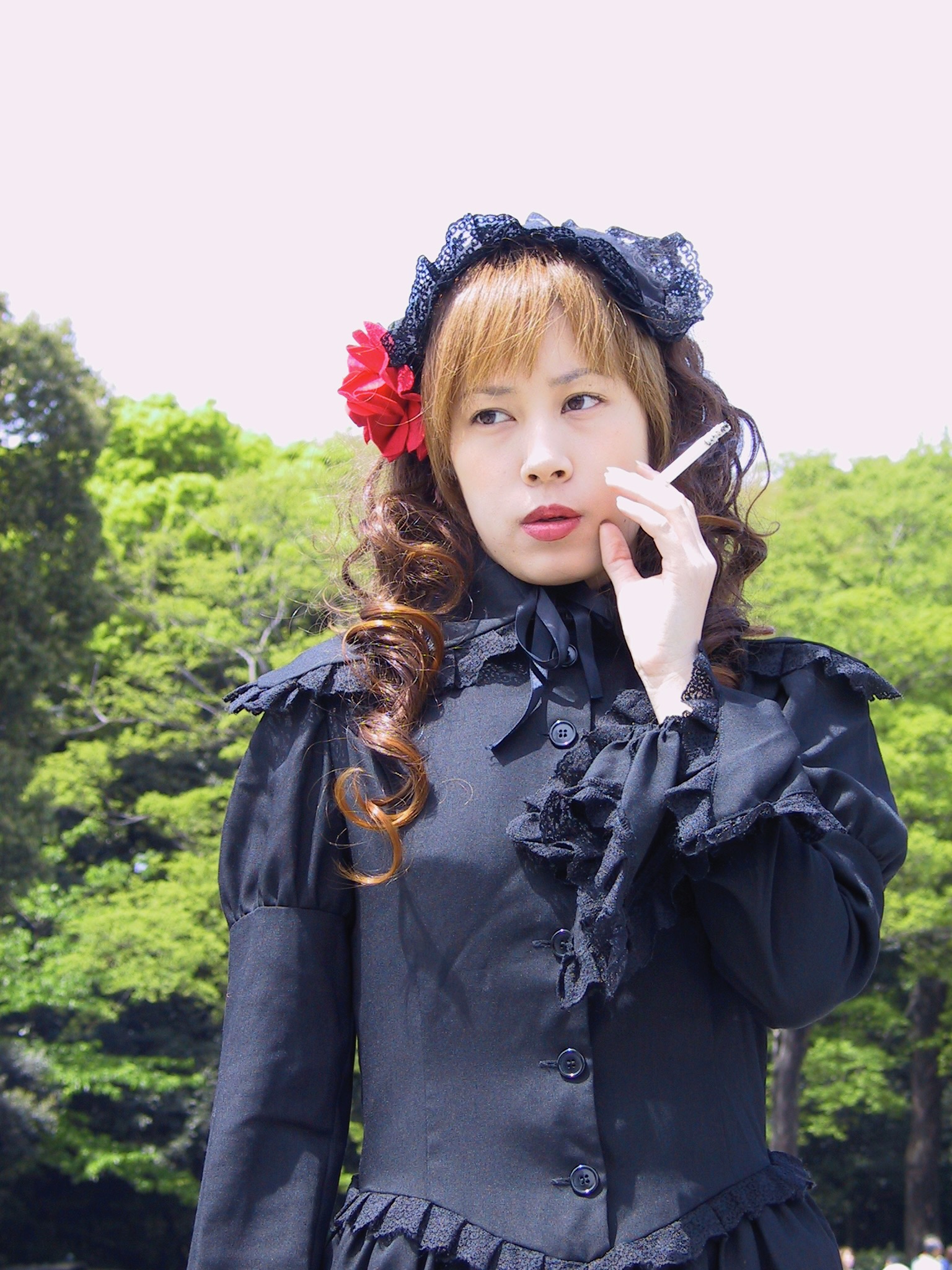
A meticulously curated Victorian silhouette, layered lace headdress, and delicate curls—subversively punctuated by the casual insolence of a lit cigarette against the Meiji woods.
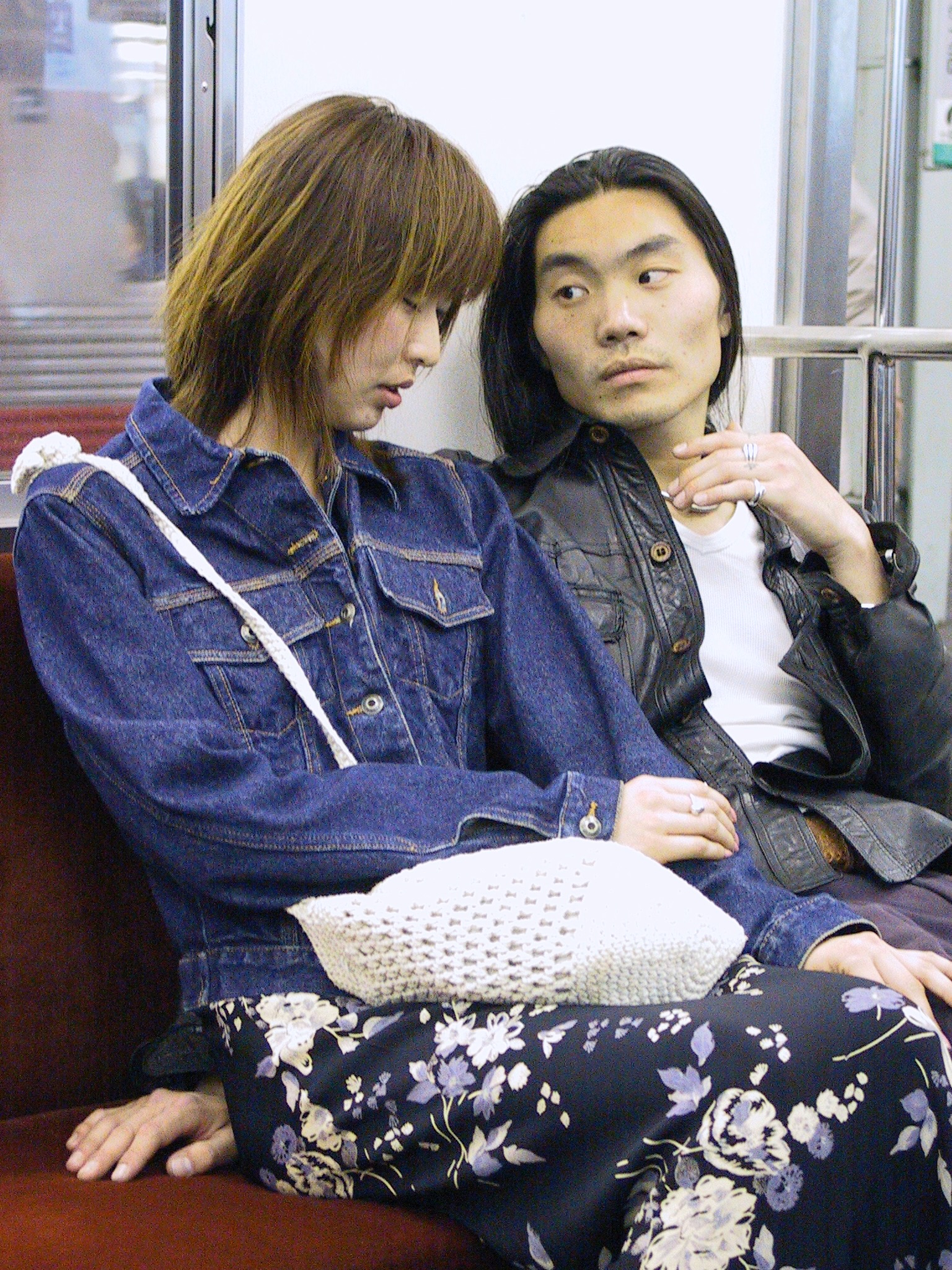
A quiet moment on the train ride home. Sitting on plush maroon velour, the performative energy of the street gives way to intimate, unguarded human reality.
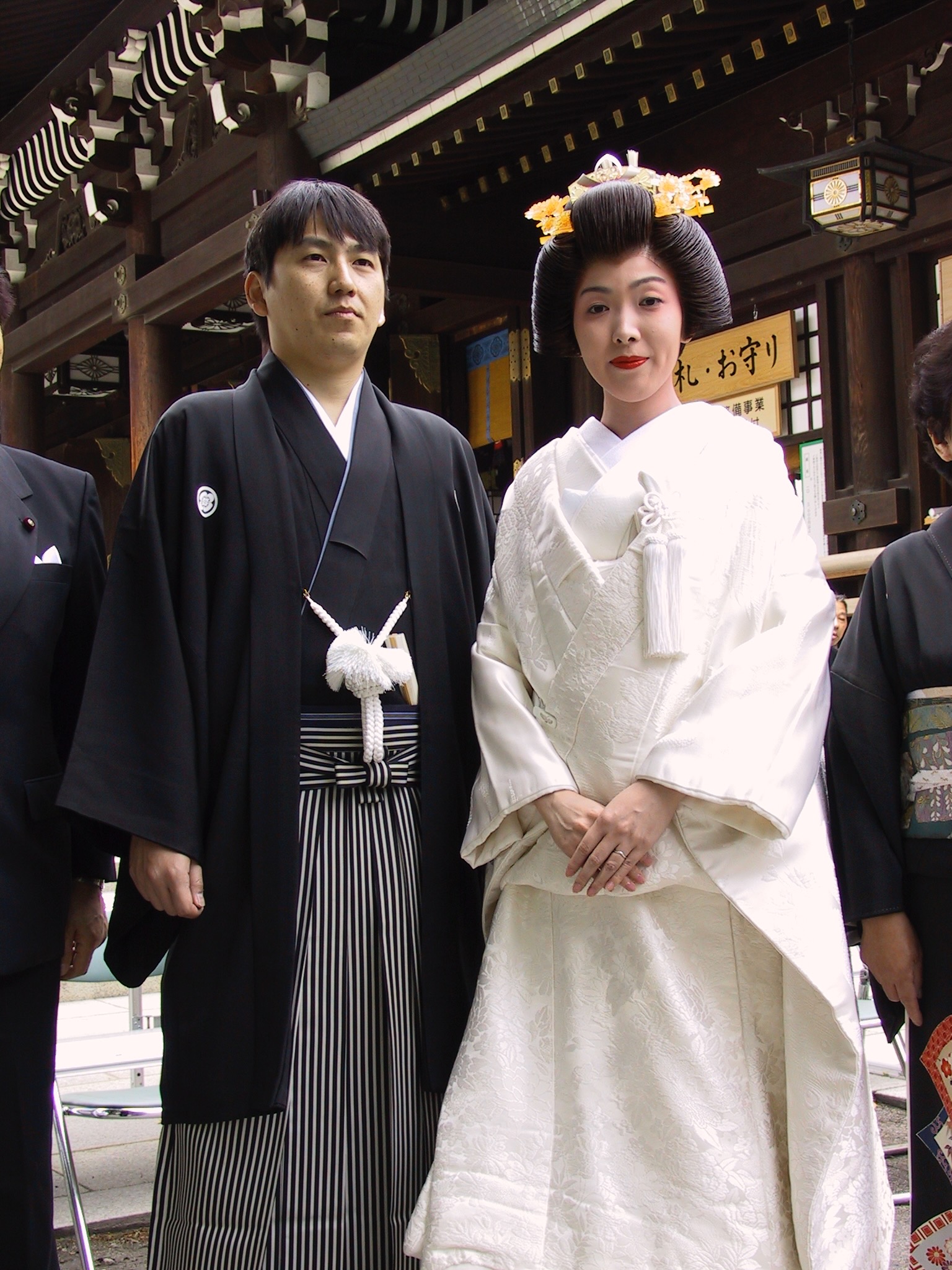
Deep within the quiet gravel courtyard, a traditional Shinto wedding procession moves with purpose. Far from feeling like an uninvited spectator, stepping forward reveals a bride who greets my lens with a smile and engaged eyes, thank you to whomever you are.
During the analog to digital transition, circa 2000, I led Canon’s California R&D center. It was a remarkable ride, Canon then and I hope now, was an exceptionally well run company, laser focused, deep institutional technical and business excellence.
The story of “snookering” Xerox, the stuff of the best HBR articles is worth reading to teach us the value of human excellence and team work.
I loved my duration as a part of Team Canon.
Thanks Mitari-san.