
It’s three stories tall with a basement.
I didn’t pick it, I didn’t even pick the community it stands it.
It was probably built forty or so years after its immediate neighbor, somewhat terrace fashion accessible only by foot. The country has fought a long and draining war and the first stone was laid in a between and betwixt period of rampant industrialization and post war economic blues. Like so many periods of growth, housing is always needed.
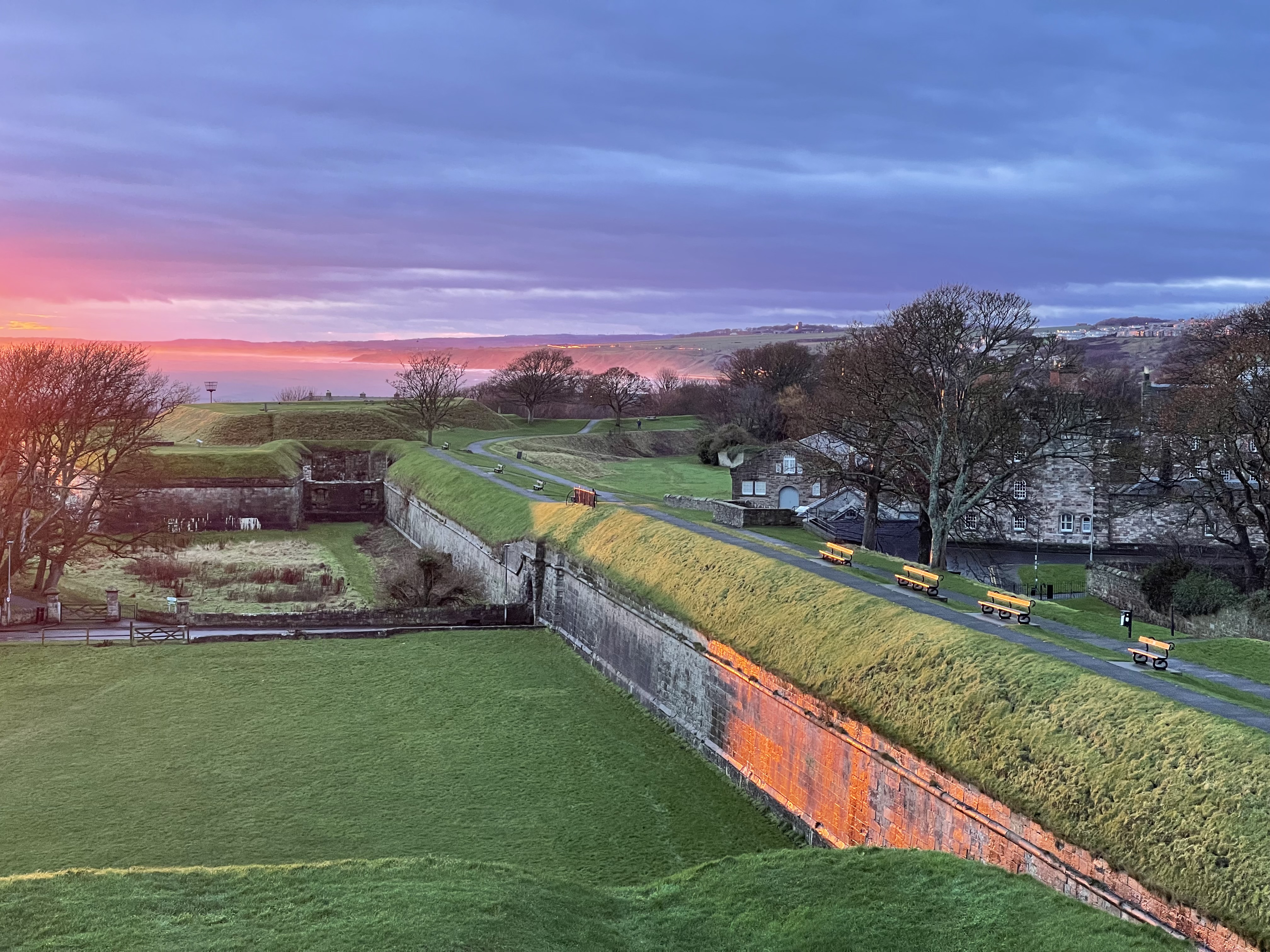
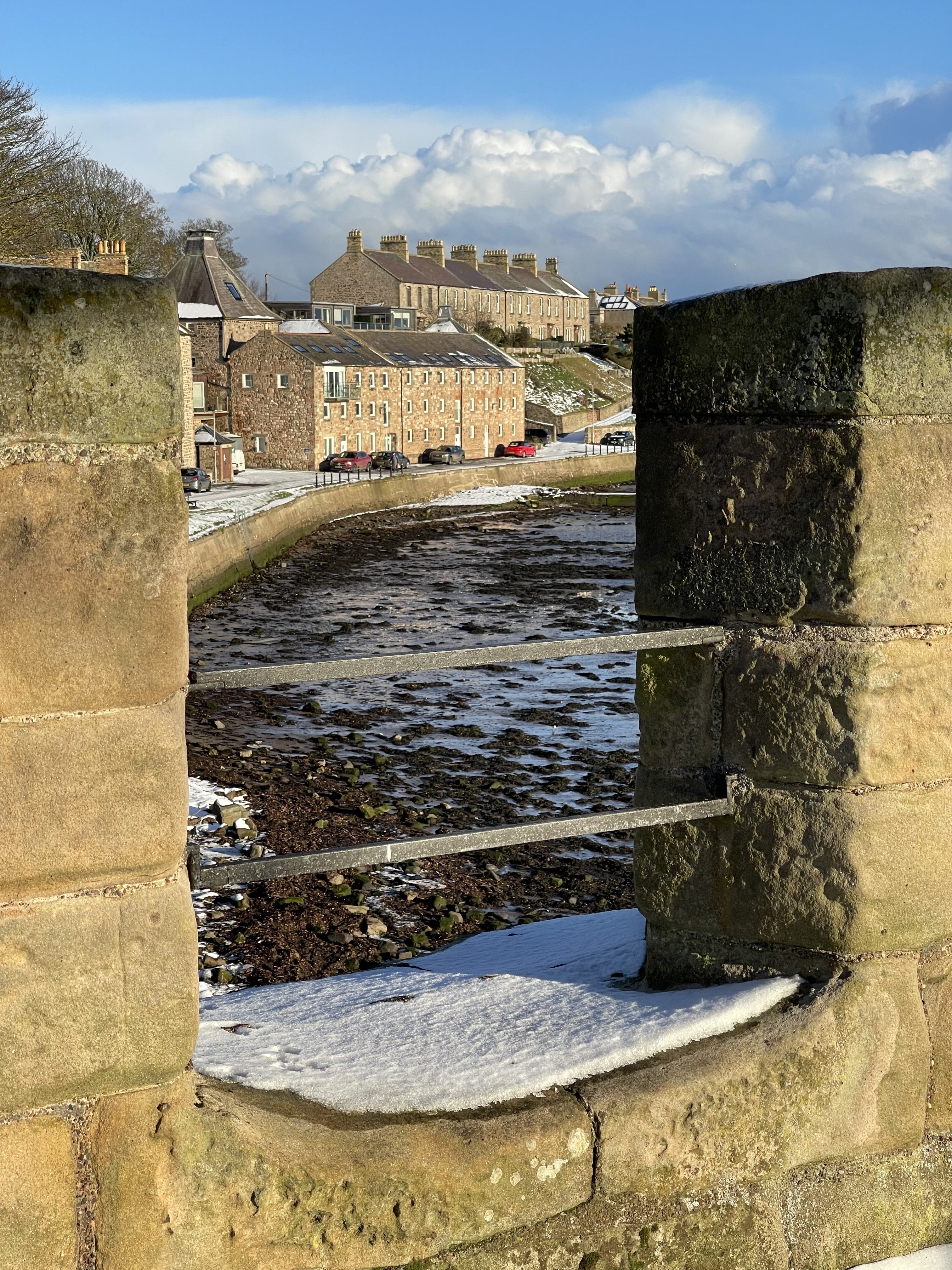
As times change, so do values and living within the Elizabethan town walls has some modest panache but when the first stone went down the immediate neighborhood was grimy, risky and almost a slum. Church Street provides a clue to other neighborhood luminaries. Parade, hanging off of Church street a further clue to the martial history of a town that changed hands thirteen times between England and Scotland.
Long before computers, paper was the great enabler.
Pamphlets, books, drawings, contracts and even money used paper to become commodity items.
Each transaction, each sale is codified in a contract. Paper written in antiquated legal language, dated, signed and witnessed in broad cursive script. Each prior one bundled and attached to the current and in a recursive fashion, you can step back almost to the first stone.
Long replaced by an entry in a digital land registry, these are now almost museum or memorabilia items that can be all too easily lost.
My mother loved this house. We had my marriage reception here and even family death.
I’ve spent a lifetime in tech. Large Language Models (LLMs) fascinate me. The moment I sat up, was the realization that LLMS could develop software code. Really?
Not to wax nor wane the benefits nor p(Doom) factor of AI, LLMs etc they do have amazing utility.
I had long earlier photographed every page of every sales contract of our home.
On a lark I fed one, then two and then all into Gemini and was stunned how quickly and how effortlessly one and a half centuries of the house’s history came flying out.
There’s an irony that paper is essentially replaced by digital, yet this modern digital neural network has unlocked almost two hundred years of ownership secrets.
I would never have the patience to wade through all the cursive script, dates but what I saw thrilled me. I almost fell like a digital gate crasher to the uniquely BBC show “The House Detectives”. Here in front of me is an interesting view into who the house has held safe, kept warm and hopefully given hope as it has to us.
William, the Victorian Clay Pipe Manufacturer
Faintly recorded in pencil is a clue that William’s dad owned the house in 1841, just twenty years after it was built. William, described as a “clay pipe manufacturer from Newcastle” sold the house in 1893 for £40 to Peter Richardson, a master tailor and clothier.
Albert, the 1920s house flipper
Making money has been a very human behavior for a long time and Albert Richardson acquires the house in 1923 for £150 and sells it 3 years later at a 50% markup for £230
Moratorium on livestock
Added in 1923, “on foot with or without wheelbarrows, but not with sheep, cattle, pigs…”
An odd addendum is the prohibition of bringing family sheep, goats, cows, hippos or whatever into the back yard. Now thats progress!
House Decorator’s run up to WW2
The oh so British name, Gladstones own the property during the Devil’s decade.
The long journey to the 1980s
The Drummonds and Pattersons (related), locomotive driver and maybe a railway family own it
It passes through more hands, is flipped, is painted, looks gaudy, looks better and becomes a place visited annually, even after death, like lost sheep we return to this place.
There’s a hold, there’s a pull and my wife and I have left points north and set to, to renovate the house. Prior flippers have stripped it of its few 1820s era character and it’s always been more a utilitarian dwelling than a homage to period or money.
A fireplace made of Dutch ballast
As we remodeled the house, my favorite “find” was a well hidden fireplace. In of itself, nothing that unique but the bricks are distinctly not a British size. As a trading port for the Scottish Border, ships would sail in with ballast, dump them and it would be recycled in local buildings like ours.
Never to be covered up on our watch!
